
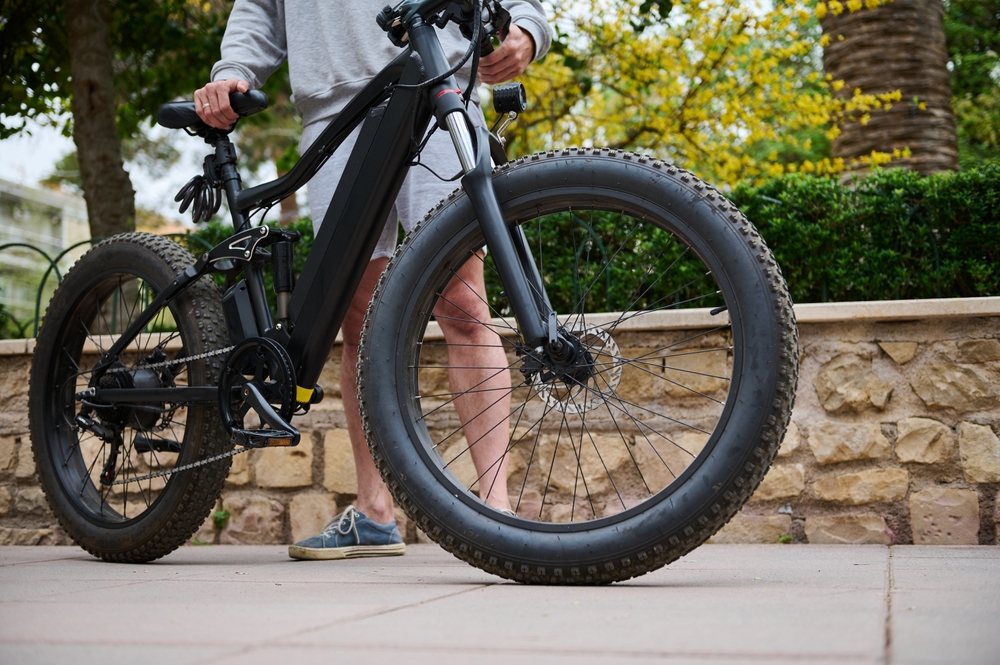
E-bikes or electric bicycles have surged in popularity over the past few years. Once seen as a fairly niche product for cyclists who wanted a little help on long or difficult routes, e-bikes are now practically everywhere: city streets, suburban neighborhoods, and even rural roads. They offer a practical, eco-friendly alternative to cars and public transportation, helping riders go farther with less effort.
But as e-bikes evolve, they’re also getting faster and more powerful, and that’s where the danger begins. Early models were designed to provide light assistance, maxing out around 15 to 20 miles per hour. Newer models, however, can easily reach 30 miles per hour or more, with rapid acceleration that rivals mopeds and small motorcycles. Despite this shift and advancement, most laws and safety regulations still treat e-bikes as bicycles. The result is a growing gap between technology and public safety, one that is sending more riders and pedestrians to the emergency room every year.
From Commuter Helper to High-Speed Machine
Early e-bike models were designed to make cycling easier, not necessarily faster. Riders could pedal normally, but with an added electric boost that helped them climb hills or extend their rides without fatigue. The early models usually topped out around 15 to 20 mph, which is a manageable speed that kept them within the “bicycle” category under most state laws. However, as battery technology improved and consumer demand for power and performance increased, manufacturers began releasing e-bikes with much higher top speeds and stronger motors.
Some of today’s high-end e-bikes can:
- Reach 30 mph or faster on flat ground, even without pedaling.
- Accelerate quickly enough to keep up with city traffic.
- Weigh significantly more than traditional bikes, making crashes more severe.
The problem is that these faster, heavier models still fall under the same outdated regulatory classifications as slower e-bikes. In many states, that means no license, registration, or training is required to operate an e-bike, despite its motorcycle-like performance.
E-Bike Regulations Haven’t Kept Up
Many states base their e-bike laws on a three-tier classification system, including:
- Class 1: Pedal-assist only; motor stops helping at 20 mph.
- Class 2: Throttle-assisted; motor can propel the bike up to 20 mph without pedaling.
- Class 3: Pedal-assist; motor stops helping at 28 mph and usually requires a speedometer.
When this system was created several years ago, it covered nearly all e-bikes on the market. Today, however, it’s outdated. Some bikes sold online or assembled with aftermarket parts easily exceed these limits, yet they aren’t registered as motor vehicles, don’t require licensing or insurance, and often lack basic safety features like headlights or stronger brakes.
Enforcement is also inconsistent. Local police departments often have no clear guidelines for distinguishing between a 20 mph e-bike and a 35 mph one. Riders may not even realize they’re breaking the law because the product’s marketing makes it seem street-legal.
The lack of regulation not only puts riders at risk but also endangers pedestrians, who may not expect a “bicycle” to approach as quickly as a motorcycle can.
E-Bike Safety Concerns Increase
Emergency rooms across the country have reported a sharp increase in e-bike-related injuries. According to some recent studies and data, such as one study reported by NPR in 2024, e-bike accidents have risen dramatically in the past few years, with injuries ranging from broken bones and concussions to severe head trauma and internal injuries.
Part of the problem lies in the e-bike’s design. Riders often overestimate their control and underestimate their speed, especially when moving in traffic or near pedestrians. Acceleration is nearly instantaneous on newer models, leaving little margin for error.
Some of the most common types of e-bike accidents include:
- Loss of control at high speeds due to overpowered motors or poor handling.
- Collisions with pedestrians on shared bike paths or sidewalks.
- Vehicle crashes, especially when drivers misjudge an e-bike’s speed or visibility.
Because many e-bikes are still classified as bicycles, accident data collection, enforcement, and insurance coverage often lag behind the reality of the situation. Injured riders and pedestrians can find themselves in a legal gray area, unsure who is responsible for their damages.
Where Responsibility Lies After an E-Bike Accident
Determining liability after an e-bike accident can be complicated, especially when no party wants to admit to doing anything wrong.
Depending on the circumstances, several parties might be responsible for an e-bike accident, such as:
- E-bike manufacturers, if the product was defectively designed or lacked adequate warnings.
- Retailers or distributors, if they sold an unsafe or mislabeled product.
- Motor vehicle drivers, if they caused an accident involving an e-bike rider.
- E-bike riders, if they acted recklessly or struck a pedestrian.
As e-bikes become more powerful and unregulated, the liability questions surrounding their accidents will only get more complex. Courts and insurance companies are already struggling to apply traditional bicycle and vehicle laws to e-bikes that blur the line between the two.
Taking Legal Action After an E-Bike Accident
When an e-bike accident happens, injured parties can face serious injuries, large medical bills, and a confusing legal process. Because the laws governing e-bikes are still evolving, it’s important to work with attorneys who understand both product liability and transportation-related accident claims. That’s where Hilliard Law can step in and lead the way for you.
Our trial attorney team represents clients in e-bike accident cases that involve:
- Pedestrians (or motorists) injured by e-bike riders
- E-bike riders hurt by unsafe product issues
We combine decades of product liability experience with smart legal strategies to hold negligent companies and individuals accountable. As e-bikes continue to evolve, our goal remains the same: to protect people who are harmed by unsafe or unregulated products that are accident-prone.
If you or someone you love has been injured in an e-bike accident in Texas, reach out to Hilliard Law today for a free consultation about your legal options to seek compensation. Call (866) 927-3420 to begin.