
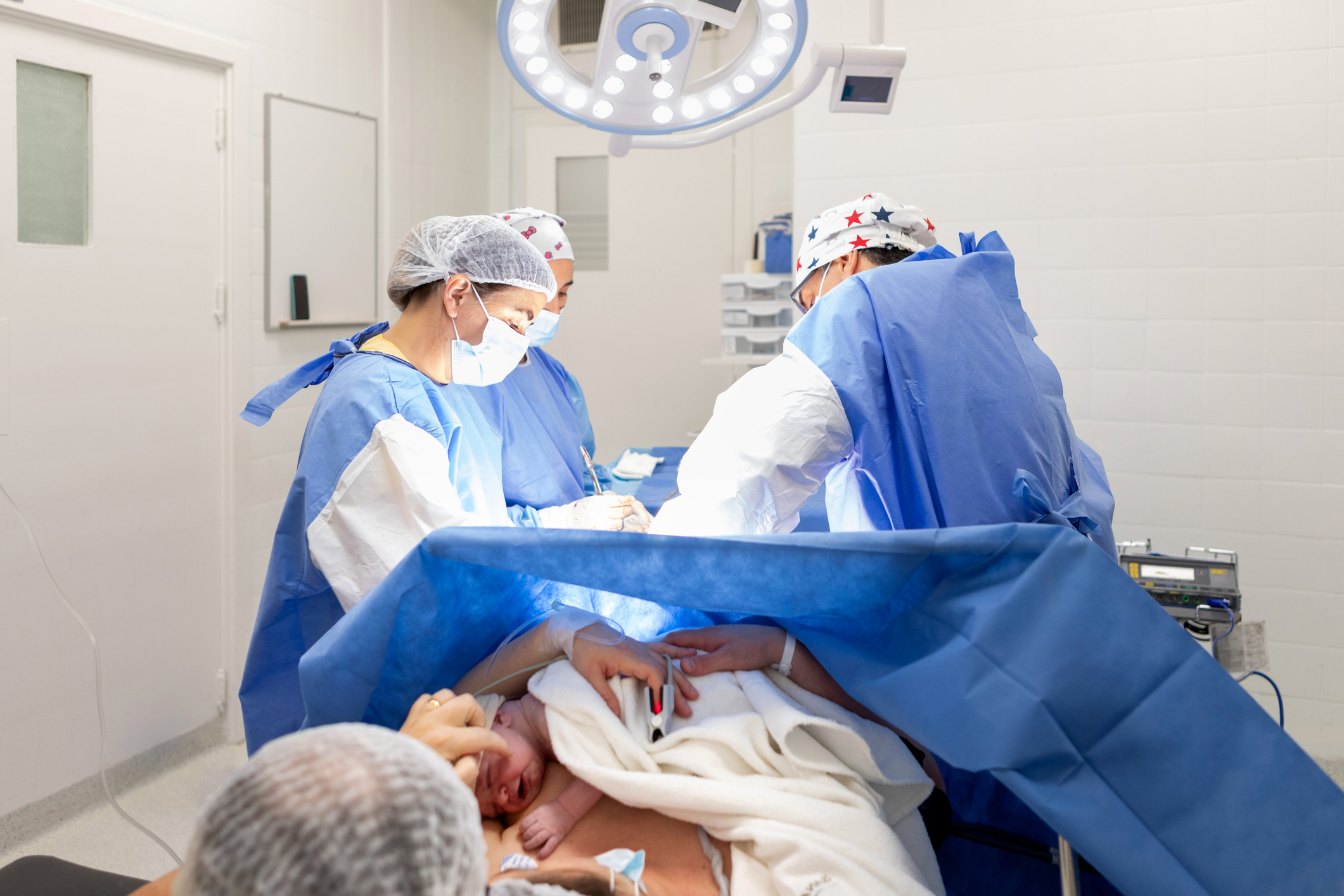
When labor complications arise, an emergency C-section can mean the difference between a healthy outcome and lifelong disability. Unfortunately, delays in recognizing fetal distress or performing a timely cesarean delivery remain a leading cause of preventable birth injuries, including permanent brain damage.
At Hilliard Law, we represent families nationwide in complex medical malpractice cases involving delayed C-sections and catastrophic neonatal injuries. These cases often come down to whether medical providers acted quickly enough when warning signs appeared and whether system failures inside the hospital put a child at risk.
Understanding how these injuries occur can help families determine whether medical negligence played a role.
How Delayed C-Sections Lead to Brain Injury
Most birth-related brain injuries stem from oxygen deprivation, also known as hypoxia or asphyxia. When a baby does not receive enough oxygenated blood during labor or delivery, brain tissue begins to suffer irreversible damage within minutes.
Emergency C-sections exist to prevent this outcome. But problems arise when medical teams fail to act.
Common scenarios include:
- Fetal heart rate abnormalities that go unaddressed
- Prolonged labor despite signs of distress
- Umbilical cord compression or prolapse
- Placental abruption or uterine rupture
- Shoulder dystocia or obstructed delivery
- Failure to escalate care when labor stalls
In many hospitals, providers follow a “decision-to-incision” guideline of roughly 30 minutes once an emergency C-section becomes necessary. When teams miss warning signs, delay decision-making, or cannot mobilize operating staff in time, that window closes quickly. The result can be devastating.
Types of Brain Injuries Linked to C-Section Delays
Prolonged oxygen deprivation during birth can cause:
- Hypoxic-ischemic encephalopathy (HIE)
- Cerebral palsy
- Periventricular leukomalacia (PVL)
- Seizure disorders
- Cognitive and developmental impairments
- Motor function deficits
These injuries often require lifelong medical care, therapy, specialized education, and ongoing support.
Families typically do not learn the true cause until months or even years later, when developmental delays become apparent.
When a Delayed C-Section Becomes Medical Malpractice
Not every difficult birth involves negligence. However, providers can be held legally responsible when they fail to meet accepted standards of care.
Delayed C-section malpractice cases often involve:
- Failure to properly monitor fetal heart tracings
- Misinterpretation of distress signals on electronic fetal monitoring
- Delayed communication between nurses and physicians
- Lack of available operating rooms or anesthesia staff
- Failure to follow hospital emergency protocols
- Ignoring maternal complaints or signs of labor complications
- Inadequate staffing during high-risk deliveries
These cases rarely hinge on a single mistake. More often, they reveal systemic breakdowns and multiple missed opportunities to intervene before permanent harm occurred.
Medical records usually tell the story. Fetal monitoring strips, nursing notes, labor progression charts, and internal hospital timelines often show exactly when distress began and how long providers waited before acting.
Who May Be Liable in Delayed C-Section Cases
Responsibility may extend beyond a single doctor.
Potential defendants can include:
- OB-GYNs or attending physicians
- Labor and delivery nurses
- Anesthesiology teams
- Hospital administrators
- Corporate healthcare systems
Hospitals may also face liability for:
- Inadequate staffing policies
- Poor emergency response procedures
- Failure to train personnel
- Unsafe labor management protocols
Because these cases involve layered responsibility, they require deep investigation and medical expert analysis.
What Must Be Proven in a Birth Injury Claim
To pursue compensation, families generally must show:
- Providers owed a duty of care during labor and delivery
- That duty was breached through delay or inaction
- The delay caused oxygen deprivation or trauma
- The injury resulted in measurable harm (damages)
This requires review by maternal-fetal medicine specialists, neonatologists, neurologists, and life-care planners.
Damages may include:
- Past and future medical expenses
- Therapy and rehabilitation costs
- Specialized education needs
- Lost earning capacity
- Pain and suffering
- Lifetime caregiving support
For many families, these resources make long-term care possible.
If Your Child Suffered a Brain Injury After a Difficult Birth
Delayed C-section cases rank among the most complex forms of medical malpractice. Hospitals defend them aggressively. Records disappear. Providers close ranks.
Early legal intervention matters.
At Hilliard Law, we work with recognized medical experts to uncover how and why these injuries occurred. Our attorneys handle high-stakes birth injury litigation across the country and fight for families facing overwhelming medical and financial burdens.
If your child suffered a brain injury after a delayed or mishandled delivery, call (866) 927-3420 or contact us online for a FREE consultation.