
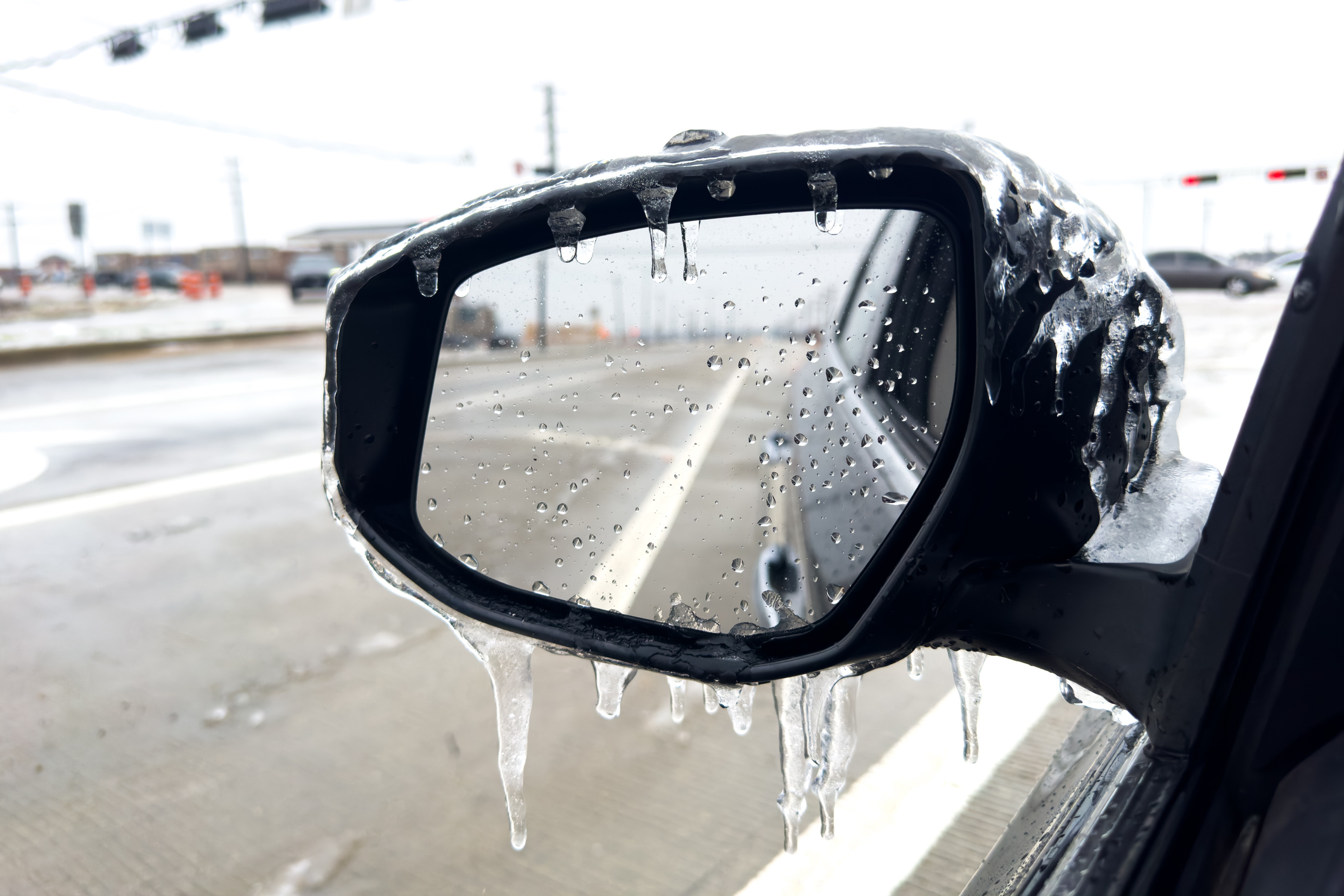
Texas drivers may see winter weather coming, but many don’t have much experience driving on ice or recognizing how quickly conditions can turn dangerous. Bridges and overpasses freeze first. “Black ice” can look like normal pavement. And even cautious drivers can misjudge stopping distance or traction when temperatures drop.
When an accident happens on icy roads, many people assume no one is legally responsible because the weather caused the crash. That isn’t always true. In some cases, negligence plays a role, and injured victims may have the right to pursue compensation.
At Hilliard Law, we represent individuals and families after serious auto accidents, including crashes caused by hazardous road conditions. Understanding how liability works in winter weather cases can help clarify whether you have a viable personal injury claim.
Icy Roads Do Not Automatically Eliminate Liability
Bad weather alone does not excuse unsafe driving.
Under Texas law, drivers must operate their vehicles with reasonable care for the conditions, including rain, fog, or ice. That means slowing down, increasing following distance, and adjusting driving behavior to account for reduced traction and visibility.
If a driver fails to do that and causes a crash, they may still be legally responsible, even if ice contributed to the accident.
Common examples of driver negligence in icy road crashes include:
- Driving too fast for conditions
- Following too closely on slick pavement
- Failing to brake in time due to inattention or speed
- Making unsafe lane changes or turns
- Driving while fatigued or distracted
- Operating a vehicle with worn tires or faulty brakes
In other words, weather may create danger, but careless decisions often turn that danger into a serious collision.
When Another Driver May Be Liable
Many icy road accidents still involve traditional negligence claims against other drivers. Liability may exist if the at-fault driver:
- Lost control because they were speeding or tailgating
- Failed to maintain their vehicle for winter conditions
- Continued driving despite unsafe conditions
- Rear-ended another vehicle due to inadequate stopping distance
- Drifted into another lane because they drove too fast for ice-covered roads
Even in multi-car pileups, investigators often identify one or more drivers whose conduct triggered the chain reaction.
Proving liability in these cases usually requires:
- Police crash reports
- Witness statements
- Vehicle damage analysis
- Dashcam or traffic camera footage
- Event data recorder (“black box”) information
- Expert accident reconstruction
An experienced injury attorney can assemble this evidence to show how negligence — not just weather — caused the crash.
Can Government Entities Be Held Responsible for Icy Roads?
In some situations, liability may extend beyond individual drivers.
Cities, counties, or state agencies may bear responsibility if they failed to reasonably maintain roadways or warn drivers about known hazards. Examples can include:
- Dangerous intersections with a history of winter crashes
- Failure to address known drainage problems that cause recurring ice buildup
- Lack of warning signage on bridges prone to freezing
- Delayed response to severe winter conditions in high-traffic areas
Claims against government entities are challenging and involve strict notice requirements and shorter deadlines under Texas law. In many cases, sovereign immunity applies unless specific statutory exceptions are met, making early legal review critical.
What About Commercial Drivers and Companies?
If the crash involved a commercial vehicle — such as a delivery truck, rideshare vehicle, or company fleet — additional liability may apply.
Employers may be responsible when they:
- Push drivers to meet deadlines despite hazardous conditions
- Fail to train drivers on winter safety
- Allow unsafe vehicles on the road
- Ignore weather advisories
These cases often involve larger insurance policies and corporate defendants, making early legal intervention critical.
Comparative Fault and Why Icy Road Claims Are Harder to Win
Texas follows a modified comparative fault system. That means you can recover compensation as long as you are not more than 50% responsible for the crash — but your recovery is reduced by your percentage of fault.
In icy road accidents, insurance companies aggressively use this rule to minimize payouts.
Rather than focusing on unsafe driving, insurers often argue that the collision was unavoidable because of weather. They claim everyone was sliding, visibility was poor, or road conditions made the crash inevitable. This framing shifts blame away from negligent drivers and onto injured victims.
That approach ignores a key legal reality: dangerous conditions do not eliminate a driver’s duty to operate safely.
Drivers must still slow down, increase following distance, avoid sudden maneuvers, and adapt to known risks. When someone speeds on ice, tailgates in freezing conditions, makes unsafe lane changes, or loses control due to reckless choices, liability still applies.
These cases become more complex because:
- Insurers push comparative negligence arguments to reduce settlements
- Police reports may emphasize weather instead of unsafe driving behavior
- Road conditions change quickly, making physical evidence harder to preserve
- Multi-vehicle crashes create competing versions of events
- Defendants argue that injuries resulted from ice, not negligence
Proving fault often requires a deeper investigation, including crash reconstruction, vehicle data, weather records, roadway design analysis, and witness testimony to show that the accident resulted from preventable conduct, not unavoidable conditions.
This is where experienced legal counsel matters. Establishing liability in icy road crashes requires more than accepting surface-level explanations. It requires demonstrating how a driver failed to adapt to known risks and how that failure caused real harm.
What If You Were Injured on Icy Texas Roads?
If you or someone you love suffered serious injuries in a winter crash, you may have grounds for a personal injury or wrongful death claim, even if ice played a role.
At Hilliard Law, our attorneys investigate complex accident cases across Texas and beyond, including those involving hazardous road conditions, commercial vehicles, and government entities. We work with accident reconstruction experts, medical professionals, and economists to build cases that reflect the full impact of our clients’ injuries.
If you were injured in an icy-road accident, call (866) 927-3420 or contact us online for a FREE consultation. We’re here to help you understand your options and pursue accountability where it belongs.