
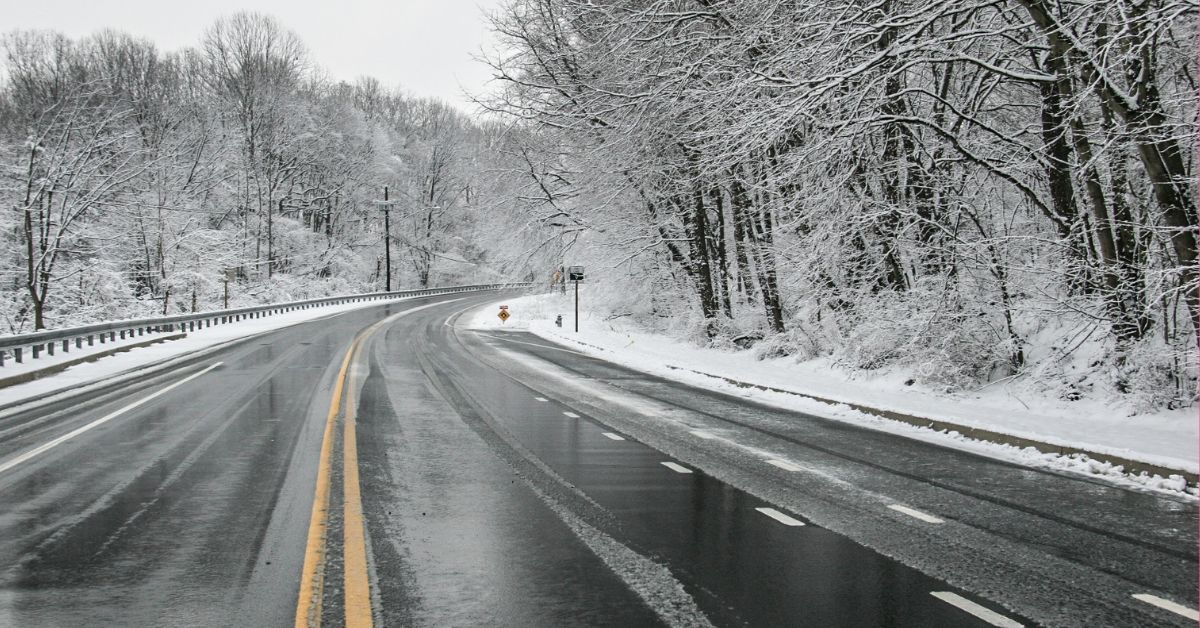
While many parts of Texas may not see snow and ice every year, it can create a treacherous environment for drivers when winter weather strikes. Even a seemingly minor dusting of snow or a thin sheet of black ice can turn a routine commute into a dangerous situation, leading to serious accidents. When this happens, it's not just the weather that's at fault. Understanding the legal landscape of liability is crucial for anyone involved in a winter weather-related collision.
The Driver's Duty of Care in a Texas Winter
In Texas, every driver has a fundamental "duty of care." This means you are legally obligated to operate your vehicle in a way that is safe for the current road and weather conditions. This duty doesn't disappear when the weather turns cold and the roads become slick. In fact, it becomes even more critical. A driver cannot simply blame snow, sleet, or black ice for an accident and expect to be excused from liability.
A reasonable and prudent driver would adjust their speed, increase their following distance, and take extra precautions on bridges, overpasses, and shaded areas. Failure to do so can be considered negligence, which is the cornerstone of any personal injury claim. If a driver was speeding on an icy road, failed to maintain their vehicle with proper tires, or followed too closely, they may be liable for the accident and any resulting injuries. Proving negligence is key and requires a thorough investigation into all the circumstances surrounding the crash. This could include examining police reports, weather data, and eyewitness accounts.
Navigating Texas's Modified Comparative Negligence Rule
Determining fault can be more difficult than it sounds. Many types of multi-car pileups, or chain-reaction collisions, used to be a hallmark of icy road conditions or multi-car collisions. Texas has enacted a modified comparative negligence rule, which means your ability to recover damages is directly affected by your percentage of fault if you were in an accident.
For instance, if you were determined to be 20% at fault for an accident, you'd still recover 80% of your damages from the other at-fault driver. However, if you were determined to be at fault for 51% or more of the accident, you are legally barred from recovering damages at all. Thus, the rule clearly shows how important it is to build an undeniable, strong case showing that the other drivers' negligence was the primary factor for the collision. It also demonstrates why you wouldn't want to rely upon the insurance company to determine fault in a way that is in your best interest.
Beyond the Drivers: When Other Parties May Share Blame
On occasion, the liability for a winter weather accident may go beyond the drivers involved. In some cases, a government entity or municipality will be at least partially responsible. For example, if a city or a county knew about a road that was hazardous and then failed to treat that road in a reasonable and timely manner, that city or county may be liable for any damages that result from that accident. These cases can be complicated and require a legal team with experience and expertise in dealing with large entities in order to pursue justice for their clients.
Winter road accidents can lead to severe injuries, lost wages, and overwhelming medical bills. Navigating the legal aftermath of a crash is a difficult task, especially when you are focused on your recovery. While the weather may be unpredictable, the legal principles of liability are not.
If you or a loved one has been injured in a winter road accident in Texas, and you believe another party's negligence caused it, consider reaching out to a team that is guided by honor, tenacity, and a relentless commitment to justice. Hilliard Law can help you understand your rights and hold the responsible parties accountable for their actions. You deserve to tell your story and pursue the justice you are owed.