
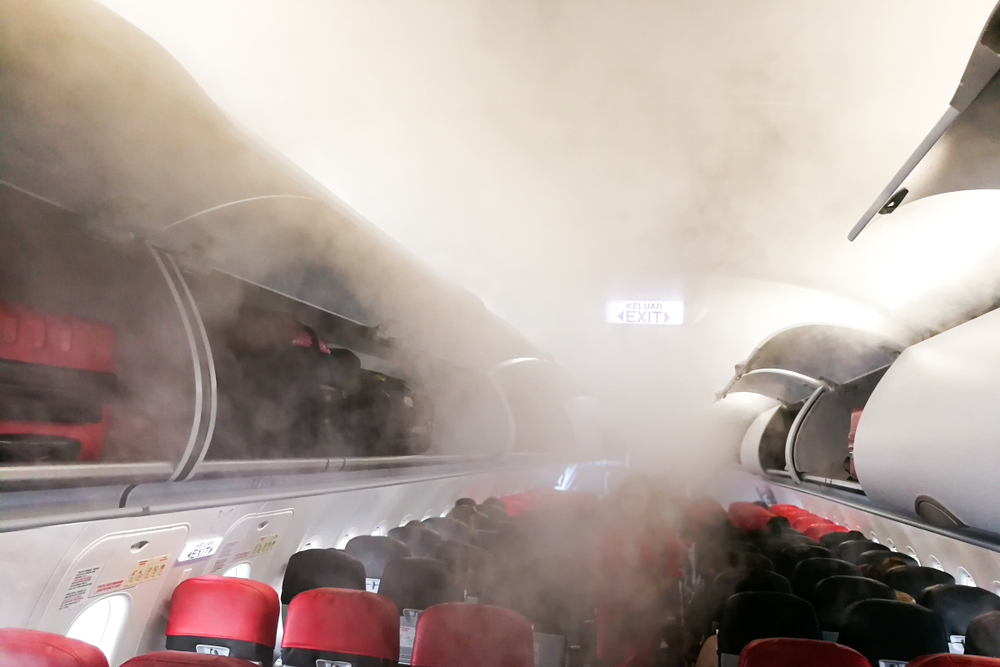
Doctors, researchers, and aviation workers are increasingly raising concerns about a troubling pattern: serious illnesses and deaths among pilots and flight attendants that appear linked to exposure to toxic fumes inside aircraft cabins. While the aviation industry has long acknowledged the existence of so-called “fume events,” growing medical evidence suggests these exposures may have far more serious and potentially fatal long-term consequences than previously understood.
What is a Fume Event?
A fume event occurs when synthetic engine oils or other aircraft fluids leak into an airplane’s air supply and are circulated into the cockpit and passenger cabin. These fumes often produce a strong odor commonly described as “dirty socks” or burning oil. In some cases, visible fog fills the cabin.
Historically, the effects of these events were considered temporary, causing headaches, dizziness, or nausea that resolved quickly. Passengers who fly infrequently may never realize that they were exposed to a fume event. But accounts from pilots, flight attendants, and medical experts now suggest that repeated or severe exposures may trigger long-term neurological, cardiac, and psychological damage.
A Growing Body of Evidence
One of the most prominent recorded cases of fume events involves American Airlines pilot Ron Weiland. After experiencing a severe fume event while flying a Boeing 767, Weiland began developing neurological symptoms. He was diagnosed with ALS less than a year later and died in 2019. His widow filed a lawsuit alleging contaminated cabin air caused his illness. Boeing ultimately settled the case, while denying liability.
Weiland’s story is not unique, though. Emergency room records and medical research show a sharp rise in serious illnesses among airline crew members following fume exposure. Researchers have identified links between chemicals found in engine oil fumes—such as formaldehyde, ultrafine particles, and solvents—and diseases including ALS, dementia, brain tumors, heart inflammation, and severe depression.
A 2021 University of California, Berkeley study found that acute formaldehyde exposure increased ALS risk by 78%. A separate Harvard-led study later showed pilots ranked among the highest occupations for Alzheimer’s mortality. Forensic pathologists in Europe report consistent findings of nervous system and heart inflammation in deceased crew members with documented exposure histories.
Mental Health & Suicide Concerns
Beyond physical illness, toxic exposure through a fume event may also contribute to psychological and behavioral changes. Multiple pilots and flight attendants have reported depression, cognitive impairment, and suicidal ideation following fume events. One study determined that suicide rates among pilots at a major U.S. airline could be more than double those of the general population.
Medical experts note that chemical exposure can damage the brain’s frontal lobe, impairing impulse control and emotional regulation. These neurological injuries can produce severe depression independent of emotional stressors—an important distinction often overlooked in investigations of pilot deaths.
Airline Industry Response & Regulatory Gaps
Aircraft manufacturers and airlines acknowledge that fume events occur, but they also maintain that existing research does not definitively prove causation between exposure and disease. They point to decades of FAA approval for aircraft air systems and argue that contaminant levels typically meet safety standards.
However, researchers counter that conclusive studies are difficult to conduct because airlines have resisted installing continuous air-quality monitoring systems on aircraft. Without consistent data collection, linking exposure levels to long-term outcomes remains challenging, leaving workers and families without clear answers.
Could Airlines and Manufacturers Be Liable for Fume Event Deaths?
From a legal standpoint, liability may arise if companies knew or reasonably should have known about the dangers of repeated exposure to contaminated cabin air and failed to take reasonable steps to protect workers, including pilots and flight attendants.
Potential legal claims for fume event-related illnesses and deaths may involve:
- Defective aircraft design, including air “bleed systems”
- Failure to warn pilots and crew about known risks
- Negligent maintenance or improper repairs of aircraft systems
- Corporate resistance to monitoring or mitigating exposure risks
As awareness grows, courts may increasingly be asked to evaluate whether these exposures constitute an occupational hazard requiring accountability, and justifying claims or lawsuits.
How Hilliard Law Can Help with Fume Event Claims
At Hilliard Law, we represent individuals and families nationwide in complex cases involving toxic exposure, product defects, and corporate negligence. Our legal team understands the scientific, medical, and legal challenges involved in airline fume exposure claims, and we are ready to fight for anyone who has been affected by fume events. With more than 100 years of combined experience, award-winning attorneys on staff, and a long history of incredible case results, we stand ready to help people with fume event claims, no matter where they call home.
If you or a loved one worked in the airline industry and later developed a serious illness that may be linked to toxic cabin air, you may have legal options worth exploring. We can help evaluate your situation, explain potential legal options, and handle your claim from start to finish if legal action is possible.
To learn more, please contact our team online for a free, confidential consultation, available to potential clients nationwide. You can dial (866) 927-3420 at any time to begin.