
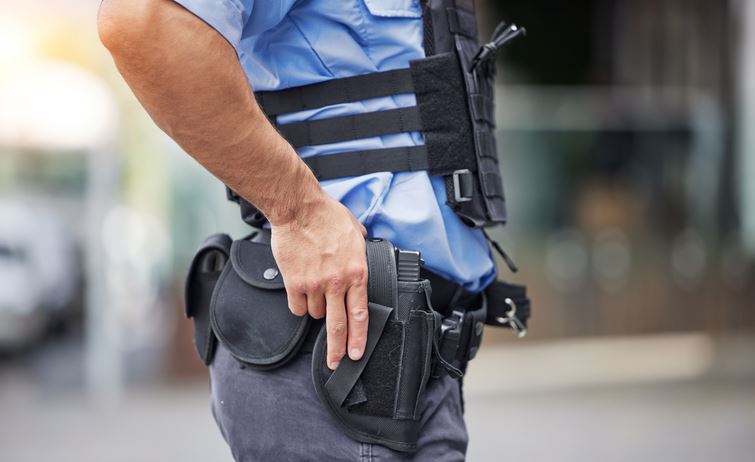
When a shooting happens in a public place, most attention understandably turns to the shooter. But in some cases, the legal analysis does not end there.
A civil claim may also examine whether a property owner, business, landlord, event operator, or security provider failed to take reasonable steps to reduce a foreseeable risk of violence. That is the basic idea behind a negligent security claim.
At Hilliard Law, we handle complex injury and wrongful death cases involving negligence, premises liability, and preventable harm. In shooting cases, one of the central questions is whether the violence was truly unavoidable, or whether failures in security, planning, or response helped create the conditions for it.
What Is a Negligent Security Claim?
A negligent security claim is a type of premises liability case. It generally involves allegations that someone responsible for a property failed to provide reasonable security measures under the circumstances.
These cases are not based on the idea that every property owner must prevent every act of violence. They are based on a narrower question: when the risk of violent crime was foreseeable, were reasonable precautions taken?
Depending on the setting, that may involve questions about:
- Lighting and visibility
- Controlled access or entry points
- Security staffing or patrols
- Surveillance cameras or monitoring
- Emergency response procedures
- Crowd control or event security
- Whether known risks were ignored
Who May Be Liable After a Shooting?
Liability depends on the facts, but potential defendants may include:
- Property owners, especially where they retained control over parking lots, entrances, stairwells, common areas, or other parts of the property where the shooting occurred
- Businesses or tenants, where they controlled day-to-day operations, invited the public onto the premises, or were responsible for customer safety in the area involved
- Landlords or management companies, particularly where they knew about recurring crime, broken gates, trespassing, poor lighting, or prior violence and failed to address it
- Bars, clubs, hotels, apartment complexes, shopping centers, and event venues, where security planning, staffing, crowd control, or prior incidents may be highly relevant
- Security companies, where guards or security personnel were inadequately trained, understaffed, inattentive, or failed to respond reasonably to warning signs
- Event organizers or promoters, where poor planning, inadequate screening, or unmanaged crowd conditions increased the risk of violence
Some cases involve more than one responsible party. The investigation often focuses on who controlled the property, who knew about the risk, and who had the ability to reduce it.
Liability Depends on Control, Knowledge, and Responsibility
After a shooting, multiple parties may try to blame someone else. A property owner may point to a tenant. A tenant may point to building management. Management may point to a third-party security contractor. A security company may argue that it only did what the contract required.
That is why these cases often turn on more specific questions, such as:
- Who controlled the area where the shooting happened?
- Who was responsible for security decisions there?
- Were there prior incidents, complaints, or warnings?
- Who knew about those risks?
- Who had authority to add guards, repair gates, improve lighting, limit access, or change procedures?
- Did a security company have meaningful responsibility, or only a limited contractual role?
Liability is not based on title alone. These cases often come down to who had knowledge of the danger, who had control over the conditions, and who failed to act reasonably in response.
Foreseeability Is a Core Issue
Foreseeability is one of the most important issues in a negligent security case.
In plain terms, the question is whether the risk of violent crime was serious and foreseeable enough that reasonable safety measures were warranted. That can depend on factors such as:
- Prior assaults, shootings, fights, or other violent incidents on or near the property
- Repeated police calls or service activity
- Known problems with trespassing, disorderly conduct, or weapons
- The nature of the business, property, or event
- Obvious security gaps that made violence easier to carry out
A shooting does not automatically create a negligent security claim. But when warning signs were present and reasonable precautions were not taken, civil liability may become a serious issue.
Inadequate Security Can Take Many Forms
Negligent security is not limited to situations where “no guard was present.” These claims can involve many kinds of alleged failures, including:
- Too little security for the known risk level
- Poorly trained guards or staff
- Broken gates, locks, or access controls
- Lack of screening or bag checks where they may have been warranted
- Failure to monitor cameras or respond to threats
- Inadequate lighting in parking lots, garages, stairwells, or entrances
- Poor planning for large crowds or high-risk events
- Failure to respond to prior incidents that should have led to changes
The issue is not whether the property could have been made perfectly safe. The issue is whether reasonable precautions were missing under the circumstances.
What Evidence Usually Matters in These Cases?
Negligent security claims are highly fact specific. The evidence often helps answer two central questions: whether the risk was known or should have been known, and whether the response was reasonable.
Relevant evidence may include:
- Incident reports
- Surveillance footage
- Prior crime reports or police calls
- Security contracts, staffing records, and post orders
- Maintenance records for locks, gates, lights, or cameras
- Witness statements
- 911 calls and dispatch records
- Internal communications about prior threats or safety concerns
In some cases, this evidence may show the shooting was sudden and difficult to anticipate. In others, it may show the danger had been building for some time.
What Harm Can Be Part of a Claim?
Negligent security cases arising from shootings often involve catastrophic injury or wrongful death. They may also involve severe emotional and psychological harm.
Depending on the facts, damages may include:
- Emergency care and hospitalization
- Surgeries, rehabilitation, and long-term treatment
- Lost income and lost earning capacity
- Pain and suffering
- Trauma, anxiety, and emotional distress
- Funeral and burial expenses in fatal cases
- Losses suffered by surviving family members
The shooter may be the immediate cause of harm, but that does not always mean the shooter is the only party whose conduct is legally relevant.
When Should Victims or Families Consider Talking to a Lawyer?
A legal review may be worth considering when a shooting happened at an apartment complex, hotel, bar, shopping center, workplace, venue, parking lot, or other public-facing property, and there are reasons to question whether the premises were adequately secured.
That may be especially true where:
- There had been prior violence or repeated warning signs
- Security was minimal or visibly ineffective
- The property had known access-control problems
- Staff or security failed to respond appropriately
- The injuries were serious or fatal
These cases are not about assigning blame where none exists. They are about determining whether preventable failures contributed to devastating harm.
Experienced Advocacy in Negligent Security Cases
Hilliard Law represents victims and families in serious injury and wrongful death cases involving negligent security, unsafe premises, and preventable violence, including matters tied to violent assaults and high-profile shooting investigations.
If you or someone you love was injured in a shooting and you have questions about whether a property owner, business, landlord, event operator, or security provider may share responsibility, call (866) 927-3420 or contact us online for a free and confidential consultation.