
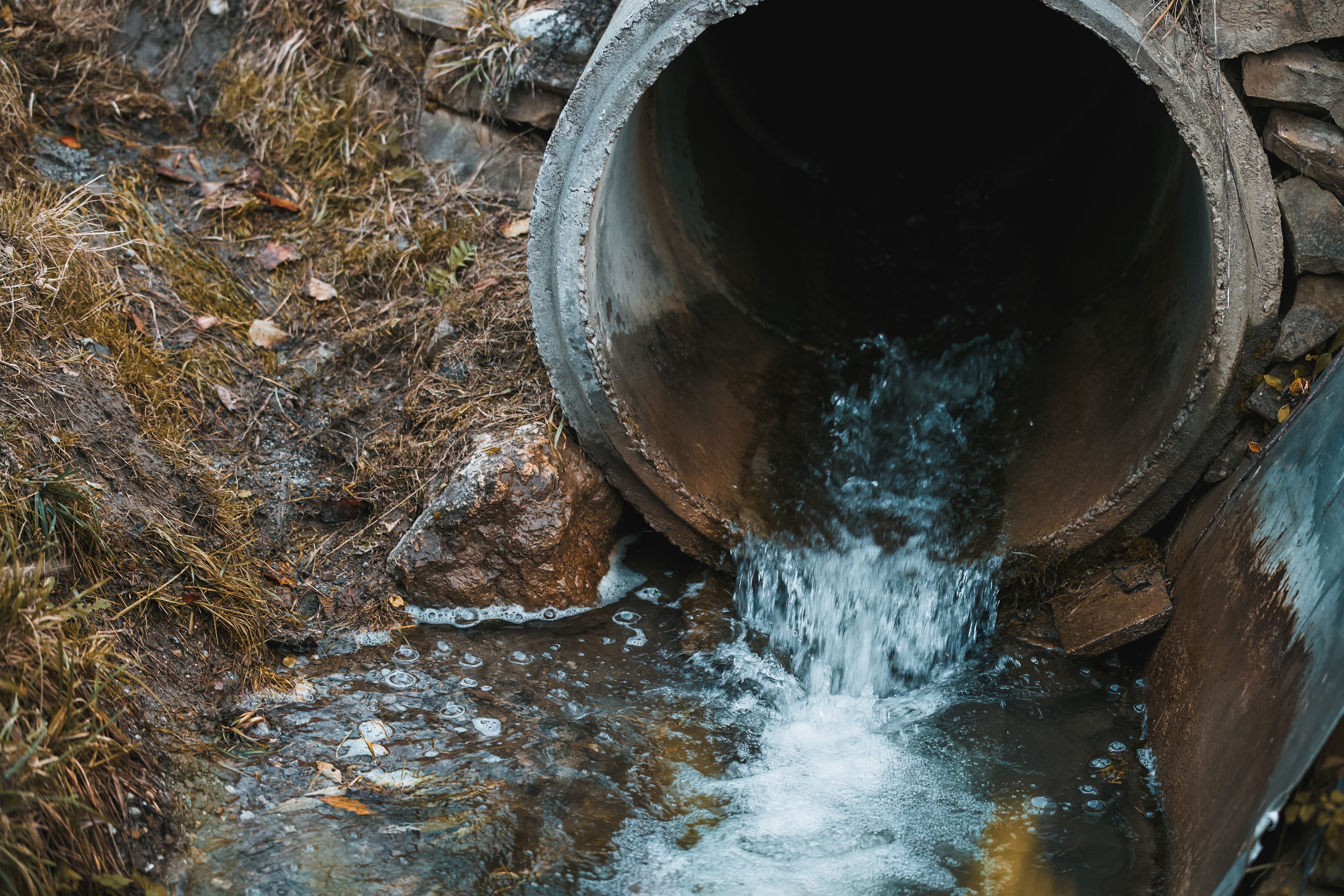
Recent independent testing near Tesla’s lithium refinery outside Corpus Christi has intensified scrutiny. Samples taken from wastewater discharged into a local drainage system revealed the presence of toxic substances—including hexavalent chromium and arsenic—raising alarms among local officials and environmental experts.
Notably, these substances are not listed as allowable pollutants under Tesla’s wastewater permit, prompting a cease-and-desist request and renewed questions about oversight and compliance.
At the same time, state regulators previously indicated Tesla was operating within its permit—highlighting a critical gap between regulatory testing and independent findings.
A Local Issue With Real Consequences
When environmental concerns hit close to home, the conversation changes. This isn’t a distant issue happening somewhere else—it’s unfolding right here in South Texas, in the same communities that families, businesses, and local leaders depend on every day.
For Hilliard Law, this is personal.
These findings have raised serious concerns about environmental safety, infrastructure integrity, and potential long-term exposure risks for surrounding communities.
But beyond the data and reports, there’s a more immediate reality:
this is happening in our own backyard.
The waterways, land, and ecosystems potentially impacted are the same ones local residents rely on—whether for work, recreation, or daily life.
Why This Matters for Texas Communities
Cases like this go beyond a single facility or company. They touch on broader issues that directly affect communities across Texas:
- Environmental Safety: The presence of heavy metals and chemical byproducts raises concerns about long-term exposure risks.
- Infrastructure Integrity: Elevated salinity and contaminants can erode drainage systems, increasing flood risks.
- Public Awareness: Independent testing has revealed information not captured in initial regulatory reviews.
- Corporate Accountability: Legal action can force transparency and corrective measures when questions remain.
Even when drinking water sources are not directly impacted, exposure pathways—such as contact with contaminated water or consumption of affected wildlife—remain a concern.
A Firm That Doesn’t Hesitate
Taking legal action against a company like Tesla is not a small undertaking. It requires resources, technical expertise, and a readiness to engage in complex, high-stakes litigation.
Hilliard Law has built its reputation on exactly that.
From environmental claims to large-scale corporate litigation, the firm has consistently demonstrated:
- The ability to handle technically complex cases involving scientific evidence
- Experience navigating regulatory frameworks and uncovering gaps
- A track record of standing up to major corporations when negligence is alleged
In this instance, their willingness to file suit against Tesla reinforces a defining characteristic of the firm: they act when others may hold back.
When issues like this arise, accountability isn’t just a legal concept—it’s a community expectation.
Hilliard Law’s involvement reflects a simple principle:
When something affects our communities, we don’t look the other way.
We’ll Be Monitoring
Environmental concerns of this scale demand more than surface-level answers. They require scrutiny, transparency, and—when necessary—legal action.
Hilliard Law has made it clear: we’re not hesitant to file suit against companies like Tesla when negligence is alleged and communities may be at risk.
Because when it comes to protecting public safety and the environment, accountability should never be optional.
When you need real results, contact Hilliard Law.