
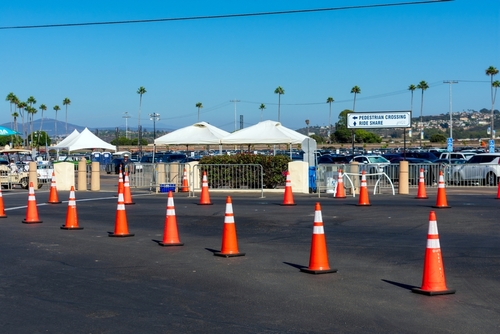
Summer in Texas means festival season. From music festivals and street fairs to holiday celebrations, large public gatherings are part of life in Corpus Christi and across Texas. They also require careful planning, crowd control, traffic management, and property oversight to keep pedestrians safe.
Most attendees enjoy these events and leave with nothing more than a sunburn. For some, however, preventable incidents can leave them with serious injuries.
When someone is hurt at a summer event, the question of who is responsible usually reaches past the immediate cause. Under Texas law, an event organizer, a venue owner, a security company, a vendor, a driver, or even a government entity may share the blame, depending on who controlled the grounds and what they failed to do.
At Hilliard Law, we handle serious injury and wrongful death cases involving unsafe premises, negligent security, and pedestrian accidents. Festival injury claims often involve several responsible parties and overlapping insurance, which can shape how much an injured person is able to recover.
What Event Organizers and Venues Owe Attendees
Texas premises liability law sets the baseline. Anyone invited to an event, whether they bought a ticket or walked in free, is treated as an invitee, the category owed the highest duty of care. The organizer or owner that controls the grounds must use ordinary care to inspect for dangerous conditions and fix them or warn about them when it knew or should have known of the hazard.
At a crowded festival, that duty can extend to crowd management, adequate and competent security, safe and well-lit walkways, clear and sufficient exits, traffic and parking control, and stable temporary structures such as stages and barricades. The size of the crowd, the presence of alcohol, and the layout of the site all factor into what reasonable care requires.
How Pedestrians Get Hurt at Festivals
Festival injuries to people on foot tend to follow recognizable patterns. Common scenarios include:
- Crowd surges and crushes near stages, gates, or exits, which can turn deadly, as Texas saw in the 2021 Astroworld tragedy in Houston
- Trips and falls on cables, uneven ground, temporary flooring, or poorly lit paths
- Falling objects, collapsing barricades, or unstable temporary structures
- Assaults that adequate security could have prevented
- Pedestrians struck by vehicles in parking areas or along event traffic routes
- Drivers leaving a festival impaired after drinking on-site
- Shuttles, golf carts, and vendor vehicles moving through foot traffic
These are rarely minor injuries. Crowd crushes can cause asphyxia and traumatic brain injuries, falls and vehicle strikes cause fractures and head trauma, and the most serious incidents lead to permanent disability or death.
Who Can Be Held Responsible
Liability depends on who controlled the grounds and what went wrong. Potentially responsible parties include:
- The event organizer or promoter, for inadequate planning, crowd control, staffing, or security
- The venue or property owner that controlled the site
- A security company hired for the event, for failing to provide adequate or competent coverage
- A vendor, for an unsafe booth or equipment, or for serving alcohol to a visibly intoxicated patron who then causes harm
- A driver who struck a pedestrian in or around the event
- A government entity, when the festival was held on city streets, parks, or other public property
A licensed alcohol vendor at a festival may face dram shop liability when an obviously intoxicated patron is overserved and later injures someone. When a public entity controlled the grounds, the Texas Tort Claims Act and governmental immunity limit claims and impose short notice deadlines, sometimes as little as 90 days, so prompt action protects the claim.
More than one party usually shares responsibility. Identifying each of them, and the insurance behind them, can be decisive when an event injury involves several defendants and overlapping policies.
How Organizers Defend These Claims
Event organizers and their insurers rarely concede fault. In festival injury cases, they often argue that:
- The hazard was open and obvious
- The injured person was intoxicated or not paying attention
- The crowd, not the organizer, caused the harm
- The attendee assumed the risk simply by coming to a crowded event
Texas follows a modified comparative fault rule, so an injured person's recovery is reduced by their share of fault and barred above 50 percent. These arguments are common, but they are fact-driven, and a ticket or a crowded venue does not waive an organizer's duty to act reasonably. Accepting an early version of events that puts the blame on the victim can quietly undercut a valid claim.
Evidence That Can Decide a Festival Injury Claim
These cases are often won or lost on evidence that disappears quickly once an event is torn down. Worth preserving early:
- The event's security, staffing, and crowd-management plans
- Permits and any required safety or emergency plans
- Surveillance footage and attendee cellphone video
- Incident and medical-response reports
- Contracts between the organizer, venue, security company, and vendors
- Photos of the hazard, the scene, and the injuries
- Names and statements of witnesses
- Medical records documenting the injuries
Much of this stays in the hands of the organizer or venue and can be difficult to obtain without prompt legal action.
Hurt at a Summer Festival? Hilliard Law Can Help.
A festival injury can leave an attendee or a family facing serious harm and a confusing mix of organizers, contractors, and insurers, each pointing at the others. Sorting out who controlled the grounds, who failed to act, and which policies apply is central to a strong claim.
You may have grounds to pursue a claim if:
- You were hurt in a crowd surge, crush, or stampede
- You tripped or fell on an unsafe or poorly lit walkway
- You were struck by a vehicle in a festival parking lot or traffic route
- You were assaulted where security was inadequate
- A loved one was killed at a public event
At Hilliard Law, we handle all types of premises accident cases, including those involving concerts, festivals, and other events. If you or someone you love was seriously hurt at a summer festival and have questions about your legal options, call (866) 927-3420 or contact us online for a free and confidential consultation.