
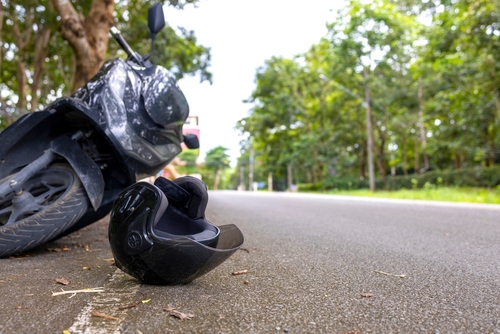
May is Motorcycle Safety Awareness Month, a reminder that motorcycle crashes often involve far more serious consequences than other traffic collisions. According to NHTSA, 6,228 motorcyclists were killed in 2024, accounting for 15% of all traffic fatalities nationwide. NHTSA says this is one of the highest numbers of motorcyclists killed since at least 1975. In Texas, TxDOT reports that 581 riders were killed and 2,534 were seriously injured in crashes in 2024.
At Hilliard Law, we handle serious injury and wrongful death cases involving motorcycle crashes and other preventable roadway collisions. Motorcycle accident claims often involve severe injuries, disputed liability, and unfair assumptions about riders that can make these cases more complicated than many people expect.
Why Motorcycle Accidents Are So Dangerous
Motorcycle crashes are often more dangerous than other traffic collisions because riders have far less protection and are more vulnerable to mistakes made by other drivers. There is no enclosed vehicle frame, no surrounding steel, and no meaningful buffer between the rider and the road, another vehicle, or a fixed object.
That reality affects motorcycle crashes in several ways:
- No structural protection — the rider absorbs the force of impact directly
- Ejection risk — riders are often thrown from the bike in a collision
- Road contact — even at moderate speeds, pavement contact can cause severe injury
- Visibility problems — motorcycles are smaller and easier for inattentive drivers to overlook
- Less room for error — hazards that might be manageable in a car can be far more dangerous on two wheels
Many serious motorcycle crashes are not about reckless riding. They happen because a driver turns in front of a rider, changes lanes without checking carefully, follows too closely, or otherwise fails to see and respond to a motorcycle that had every right to be there.
Common Reasons Motorcycle Accidents Happen
Motorcycle crashes can happen in many ways, but some of the most common patterns include:
- Drivers turning in front of a motorcycle
- Unsafe lane changes
- Failure to yield at intersections
- Following too closely
- Distracted driving
- Speeding or aggressive driving
- Road hazards that are more dangerous for motorcycles than for larger vehicles
Left-turn crashes deserve particular attention. They are one of the most common motorcycle accident scenarios and often happen because a driver misjudges a rider’s speed, fails to see the motorcycle at all, or turns without yielding.
Motorcycle Accident Claims Often Involve Serious Injuries
Because riders are exposed, motorcycle crash injuries are often catastrophic. Depending on the facts, these cases may involve:
- Traumatic brain injuries
- Spinal cord injuries
- Fractures and orthopedic trauma
- Road rash and soft tissue damage
- Internal injuries
- Permanent disability or disfigurement
- Wrongful death
This is one reason motorcycle claims often involve high medical costs, long recovery periods, and damages that go well beyond the immediate aftermath of the crash.
Why Liability Is Often Disputed
Motorcycle accident claims are frequently contested even when the rider’s injuries are severe. Drivers and insurers may argue that:
- The rider was speeding
- The motorcycle came out of nowhere
- The rider was lane splitting or weaving
- The driver never saw the bike
- The rider could have avoided the crash
Texas follows a modified comparative fault rule. A rider found partially responsible will see their compensation reduced by their percentage of fault. If found more than 50 percent at fault, they are barred from recovering anything. That gives insurers a strong incentive to push fault toward the rider early and aggressively, which is one reason accepting an early characterization of what happened can be a costly mistake.
Does Protective Gear Affect a Claim?
Texas does not require adult riders over 21 who have completed a safety course or carry medical insurance to wear a helmet. Not wearing one does not automatically bar a claim.
That said, the absence of a helmet or other protective gear may be raised by the defense in connection with head or brain injury claims as an argument that the rider contributed to the severity of their own harm. Whether and how that affects damages is fact-specific and worth discussing with an attorney before making assumptions about how it may affect the claim.
Why These Cases Require Careful Investigation
Motorcycle accidents are often over-simplified at the outset. People assume the rider must have been speeding, or that the crash was simply unavoidable because motorcycles are harder to see. A proper investigation may show something else entirely.
Important evidence can include:
- The crash report
- Photos of the scene, the motorcycle, and the other vehicle
- Witness statements
- Traffic or surveillance camera footage
- Vehicle data
- Skid marks, debris patterns, and impact points
- Medical documentation showing the extent of the injuries
A thorough investigation can make the difference between a vague blame-the-rider narrative and a clear showing of what actually happened.
When to Talk to a Lawyer
A legal consultation may be worth pursuing if:
- You were seriously injured in a motorcycle crash
- A loved one was killed in a motorcycle collision
- The other driver claims they did not see the motorcycle
- Liability is being disputed
- The insurance company is minimizing the seriousness of the injuries
- There are questions about whether the crash could have been prevented
Hilliard Law Handles Serious Motorcycle Accident Cases
Motorcycle accidents often leave riders and families facing devastating physical, financial, and emotional consequences. When the crash was caused by a negligent driver or another preventable hazard, it is important to understand what legal options may be available.
At Hilliard Law, we handle serious injury and wrongful death cases involving motorcycle crashes and other motor vehicle collisions. If you were hurt in a motorcycle accident and have questions about your legal rights, call (866) 927-3420 or contact us online for a free and confidential consultation.