
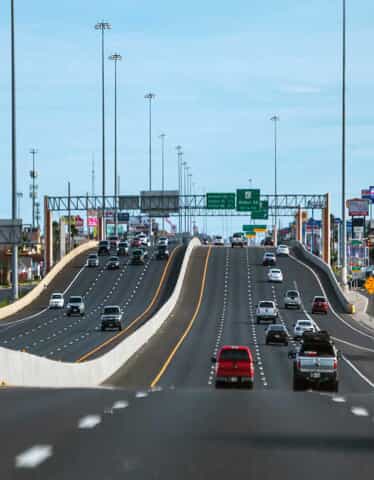
Labor Day marks the unofficial end of summer, and for a lot of Texas families that means one last road trip, a lake day, or a backyard cookout before school schedules take over. It's also one of the deadliest weekends of the year on Texas roads. Over the 2024 Labor Day weekend alone, Texas saw:
- 327 alcohol-related crashes
- 10 deaths
- 36 serious injuries
- Nearly 1 in 4 traffic fatalities involving alcohol
Knowing what drives that spike, and having a plan for each of those risks, goes further than the usual "buckle up and drive safe" reminders. It also helps to understand what the law says if someone else's bad decision causes a crash despite your best planning.
At Hilliard Law, we handle serious and fatal car accident cases across Texas, including the kind that spike every year around Labor Day weekend.
Impaired Drivers Are a Major Labor Day Risk
TxDOT’s Labor Day impaired-driving campaign urges anyone who plans to drink to arrange a sober ride through a designated driver, rideshare, taxi, or public transportation.
The safest plan is made before the first drink, while everyone involved is still able to make a clear decision. Options include:
- Choosing a designated driver who will remain sober
- Scheduling a rideshare rather than deciding at the end of the night
- Staying overnight instead of driving home late
- Taking the keys from someone who is clearly impaired
- Calling a sober friend or family member for a ride
Coffee, food, cold air, and a short rest do not quickly remove alcohol from the bloodstream. Marijuana, certain prescription medications, and other drugs can also interfere with reaction time, coordination, attention, and judgment.
Drivers should expect increased attention to impaired driving around the holiday. TxDOT and Texas law enforcement agencies regularly coordinate Labor Day education and enforcement efforts to identify intoxicated motorists and encourage people to find a sober ride.
A DWI prosecution against a driver who causes a crash is separate from the injured person’s civil claim. The criminal case may punish the driver, but it does not pay the victim’s medical bills, lost income, or other damages. Breath or blood test results, officer observations, body-camera footage, and other evidence from the investigation may become important in the civil case.
End-of-Summer Travel Adds Fatigue and Congestion
Alcohol is not the only factor working against drivers over Labor Day weekend. Longer trips, crowded highways, unfamiliar routes, and late-night travel can all increase the chance of a collision.
Fatigue affects attention, judgment, and reaction time. A long drive home after a full day at the lake or beach can become dangerous even when the driver has not consumed alcohol. Warning signs include repeated yawning, drifting within the lane, difficulty remembering the last few miles, missing exits, or struggling to keep one’s eyes open.
Drivers can reduce the risk by:
- Building actual rest stops into longer trips
- Sharing driving duties with another licensed adult
- Avoiding a late-night departure after an already tiring day
- Pulling over when fatigue begins rather than trying to push through
- Allowing additional time for holiday traffic
- Increasing following distance in congestion
Opening a window, turning up the radio, or relying on caffeine is not a substitute for sleep.
Traffic may also become heavier around beaches, lakes, entertainment areas, and the major roads leading home. Stop-and-go conditions leave less room for speeding, aggressive lane changes, tailgating, or last-second attempts to reach an exit.
Put the Phone Away Before the Trip Starts
Navigation, music, group messages, and changes in holiday plans can all compete for a driver’s attention. Even a brief glance at a phone can leave a driver traveling a substantial distance without watching the road.
Before leaving, drivers should:
- Enter the destination into the navigation system
- Choose music or other audio
- Place the phone somewhere it cannot be easily reached
- Ask a passenger to handle messages and directions
- Pull into a safe location before changing plans
A distracted driver may fail to notice slowing traffic, a red light, a pedestrian, or a vehicle stopped on the shoulder until there is no longer enough time to respond.
Move Over or Slow Down for Roadside Workers
Labor Day traffic also puts more tow-truck operators, police officers, emergency responders, utility crews, and highway workers along the roadside as they respond to crashes, breakdowns, and disabled vehicles.
Texas Transportation Code Section 545.157 requires drivers approaching certain covered roadside vehicles using activated warning lights to either:
- Move out of the lane closest to the stopped vehicle when it is safe to do so, or
- Slow to no more than 20 miles per hour below the posted speed limit when changing lanes is not possible
On a road with a posted speed limit below 25 miles per hour, the driver must slow to 5 miles per hour.
Since September 1, 2025, the law has also covered qualifying vehicles used by animal-control officers and local parking-enforcement employees. A first violation can carry a fine of $500 to $1,250. A violation that causes bodily injury is a Class A misdemeanor.
Moving over protects roadside workers and reduces the risk of a secondary collision involving an already disabled vehicle or crash scene.
Check the Vehicle Before a Longer Drive
A basic vehicle inspection can prevent a tire failure or mechanical problem from turning into a highway emergency.
Before leaving, check:
- Tire pressure and visible tread condition
- Oil, coolant, and other essential fluids
- Headlights, brake lights, and turn signals
- Windshield wipers
- Brakes
- The spare tire and roadside emergency equipment
- Fuel level or electric-vehicle range
Texas heat places added stress on tires, batteries, and cooling systems. A mechanical failure is more dangerous in heavy holiday traffic, where surrounding drivers may have little space to react.
Every occupant should wear a seat belt, including passengers in the back seat. Children should use a car seat or booster appropriate for their age, height, and weight.
What to Do After a Labor Day Weekend Crash
A careful driver can still be injured by someone who was impaired, speeding, distracted, fatigued, or following too closely. After a collision, the immediate priorities are safety, medical care, and preserving a reliable record of what happened.
When possible:
- Call 911 and seek medical attention
- Exchange contact and insurance information
- Photograph the vehicles, damage, road, and surrounding area
- Get names and phone numbers from witnesses
- Note any signs that another driver may have been impaired
- Avoid arguing about fault or guessing about what happened
Drivers should also report the collision to the appropriate insurance company and preserve damaged property, medical records, and vehicle-related documents.
Be cautious about giving a detailed recorded statement to another driver’s insurer before the facts and injuries are clear. An adjuster may call quickly, even while the police report, medical evaluation, and other evidence are still incomplete.
Holiday-Weekend Evidence Can Disappear Quickly
The filing deadline for most Texas personal injury claims is generally two years, but important evidence may be lost much sooner.
Traffic-camera footage, business surveillance video, dashcam recordings, vehicle data, witness accounts, and records connected to suspected alcohol use can all become harder to obtain after the holiday. Vehicles may be repaired, video may be overwritten, and witnesses may become difficult to locate.
A serious crash should be investigated while the physical evidence, electronic records, and people who saw what happened are still available.
Hurt in a Labor Day Weekend Crash? Hilliard Law Can Help.
A holiday weekend crash can turn a last summer getaway into a serious injury with long-term consequences. If you or someone you love was hurt by an impaired, fatigued, or careless driver over Labor Day weekend, our team can help you understand what happened and what your legal options are.
Call (866) 927-3420 or contact us online for a FREE and confidential consultation.