
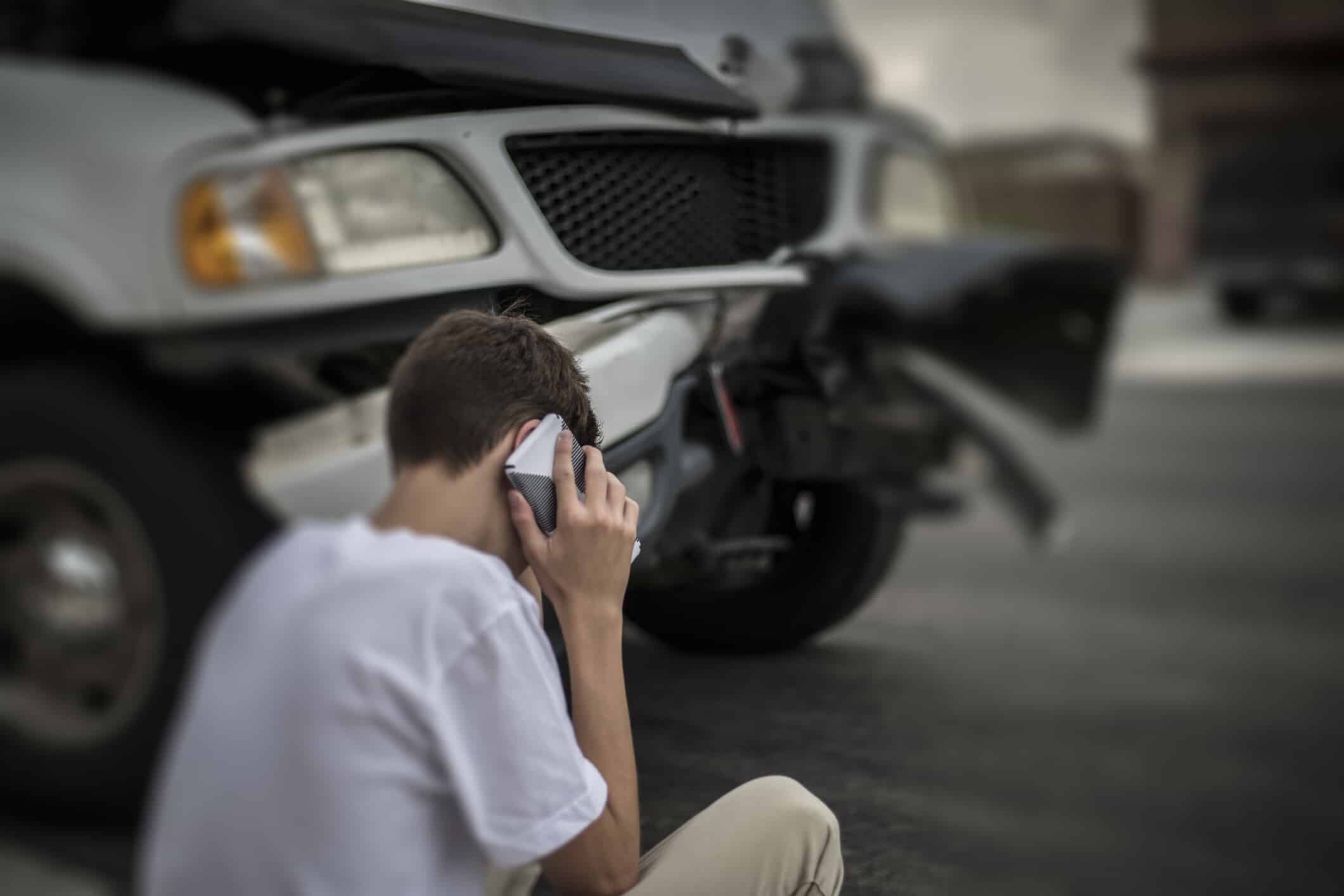
The call that your teenager has been in a car accident is one of the worst a parent can get. Once you know your child is safe, the questions start piling up fast: whose insurance is going to pay for this, is my teen going to be blamed regardless of what happened, and does any of this work differently because they're a new driver?
Texas law treats a teen driver's negligence the same way it treats anyone else's, but the details around a teen's license, the family's insurance, and the deadlines that apply can catch parents off guard. Understanding how these pieces fit together matters whether your teen caused the crash or was hurt by someone else's negligence.
At Hilliard Law, we help Texas families sort through fault, insurance, and liability questions after a teen driver is involved in a serious accident.
How Fault Is Determined When a Teen Is Behind the Wheel
Texas is a modified comparative fault state. Fault is allocated by percentage among everyone involved, and a person's recovery is reduced by their own share of fault and barred entirely if they're found more than 50% responsible.
Age alone doesn't make a driver more or less at fault. What the driver actually did in the moments before the crash does.
Texas also places specific restrictions on drivers under 18, and breaking one of them at the time of a crash can become evidence of negligence. Under Transportation Code Section 545.424, a driver under 18 cannot:
- Use a wireless communication device while driving, including hands-free, except in an emergency
- Drive between midnight and 5 a.m., except for work, school, or a medical emergency
- Carry more than one passenger under 21 who isn't a family member
These restrictions apply until a driver turns 18, not just the first few months of licensure, and they matter regardless of which side of a case your family is on.
How Insurance Responds After a Teen Driver Accident
A few things tend to catch parents off guard once a claim gets underway:
- The family policy is usually the starting point. Most Texas auto policies cover the policyholder, resident family members, and people using a covered vehicle with permission. Coverage still depends on the policy language, any named-driver exclusions, and whether the insurer was properly informed about the teen.
- An undisclosed household driver can create problems. Some insurers require every household member of driving age to be listed on the policy. If a teen regularly drives the family vehicle but was never disclosed, the insurer may seek unpaid premiums, deny a claim, or refuse to renew the policy.
- Borrowed vehicles complicate things. When a teen causes an accident while driving someone else’s car, the vehicle owner’s insurance generally pays first. The teen’s family policy may provide additional coverage if the owner has no insurance or the available limits are insufficient.
- Minimum coverage often is not enough. Texas requires at least $30,000 in bodily injury coverage per person, $60,000 per accident, and $25,000 in property-damage coverage, commonly called 30/60/25. A serious injury can exceed those limits quickly, which is often where uninsured and underinsured motorist coverage becomes especially important.
Confirming what coverage actually exists under every potentially applicable policy is one of the first things worth sorting out after a serious crash.
If Your Teen Was Hurt by Another Driver, the Deadline Works Differently
Most ordinary Texas personal injury claims must be filed within two years of the accident. For a minor’s own injury claim, the limitations period is generally suspended until the child turns 18, ordinarily giving an injured teen until their 20th birthday to file the claim in their own name.
Claims for medical expenses incurred while the child is a minor may belong to the parents and can be governed by the ordinary two-year deadline running from the accident. The parents’ claim does not necessarily receive the same additional time as the child’s personal injury claim.
A family may have longer to pursue the teen’s claim, but waiting rarely helps. Video can be erased, vehicle data can be lost, witnesses become harder to locate, and memories fade.
Evidence That Matters After a Teen Driver Accident
Because insurers often move quickly to characterize a young driver as the one at fault, it helps to preserve:
- The crash report and any citations issued
- Phone records, since Texas's restrictions on teen cell phone use make this evidence particularly relevant
- Vehicle data from the car's event data recorder, if available
- Witness statements gathered close to the time of the crash
- Photos of the vehicles, the scene, and any visible injuries
- The teen's license status and any GDL restrictions in effect at the time
Hilliard Law Helps Families After a Teen Driver Accident
A car accident involving a teenager brings legal questions most parents haven't had to think through before, from whose insurance actually applies to how long a teen's own claim stays open.
At Hilliard Law, we help families understand what happened, who was at fault, and what compensation may be available. If your teen was involved in a serious car accident and you have questions about your legal options, call (866) 927-3420 or contact us online for a FREE and confidential consultation.