
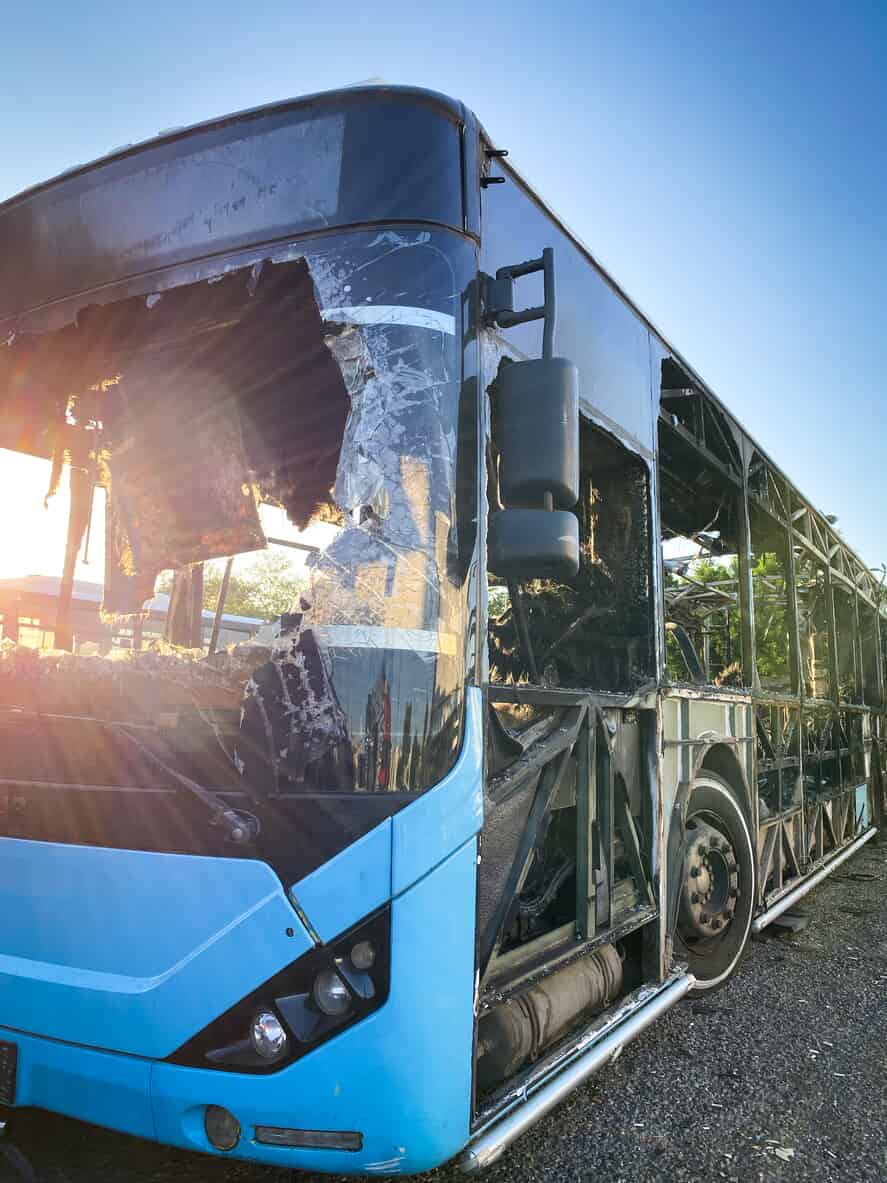
A serious bus accident can leave victims facing life-changing injuries, mounting medical bills, and uncertainty about what comes next. While many people initially focus on the driver's actions, investigations often reveal a much larger story involving company policies, safety practices, and corporate decision-making.
When transportation companies fail to prioritize safety, a single crash can affect dozens of passengers and lead to significant legal action. Understanding how these cases develop can help victims and families better understand their rights.
Why Bus Accidents Often Involve More Than One Claim
Unlike most vehicle collisions, bus accidents frequently involve a large number of injured people. A single crash can affect dozens of passengers at once, creating multiple claims against the same transportation company.
Because buses carry so many occupants, the injuries can be extensive. Victims may suffer traumatic brain injuries, spinal cord damage, fractures, internal injuries, or other serious medical conditions that require long-term treatment and rehabilitation.
As the number of injured passengers grows, the legal focus often shifts from an isolated driving mistake to broader questions about company safety practices and oversight.
Looking Beyond the Driver
In major bus accident cases, investigators frequently examine whether the transportation company contributed to the crash.
Commercial carriers must follow strict safety regulations governing driver qualifications, vehicle maintenance, inspections, and hours of service. These rules exist to protect passengers and reduce the risk of preventable accidents.
When companies fail to comply with these requirements, they may be held accountable for the resulting harm. Common issues uncovered during investigations include:
- Inadequate driver training
- Negligent hiring practices
- Poor supervision of employees
- Failure to maintain vehicles properly
- Ignored safety inspections
- Excessive driver schedules that contribute to fatigue
In many cases, company records can reveal patterns of behavior that existed long before the crash occurred.
The Importance of Evidence
Evidence often determines whether a bus accident claim remains a straightforward injury case or develops into larger litigation involving corporate negligence.
Transportation companies frequently begin investigating crashes immediately. Important evidence may include vehicle maintenance records, driver qualification files, electronic driving logs, onboard video footage, dispatch communications, and inspection reports.
These records can provide valuable insight into whether safety violations contributed to the collision.
For example, documentation may show that a driver exceeded allowable driving hours, a vehicle was operating despite known mechanical issues, or management ignored repeated safety concerns. When such evidence exists, it can significantly strengthen a victim’s claim.
Public Transit Versus Private Transportation Companies
The type of bus involved can affect how a case proceeds.
Claims involving private bus operators, charter companies, tour buses, and other commercial transportation providers often allow injured victims to pursue compensation directly from the responsible company.
Cases involving government-operated transit systems may be subject to different legal procedures and deadlines. Certain notice requirements and limitations can apply, making it important for injured passengers to act promptly.
Because these rules vary depending on the circumstances, determining the type of transportation company involved is often an important first step.
Why Early Action Matters
After a major bus accident, transportation companies and insurance carriers often move quickly to protect their interests. Investigators may gather evidence, interview witnesses, and begin evaluating potential claims within hours of the incident.
At the same time, crucial records can become increasingly difficult to obtain over time. Preserving evidence early may help establish what happened and identify whether company decisions contributed to the crash.
Victims should also be cautious when speaking with insurance representatives until they fully understand the extent of their injuries and legal rights.
Holding Transportation Companies Accountable
Bus accident cases are about more than recovering compensation after a crash. They can also expose dangerous practices that place passengers at risk and encourage companies to improve safety standards moving forward.
At Hilliard Law, we understand the devastating impact a serious bus accident can have on individuals and families. When transportation companies fail to uphold their responsibility to protect passengers, those affected deserve answers. If you have questions about your legal options following a bus accident, an experienced legal team can help you evaluate your situation and determine the best path forward.