
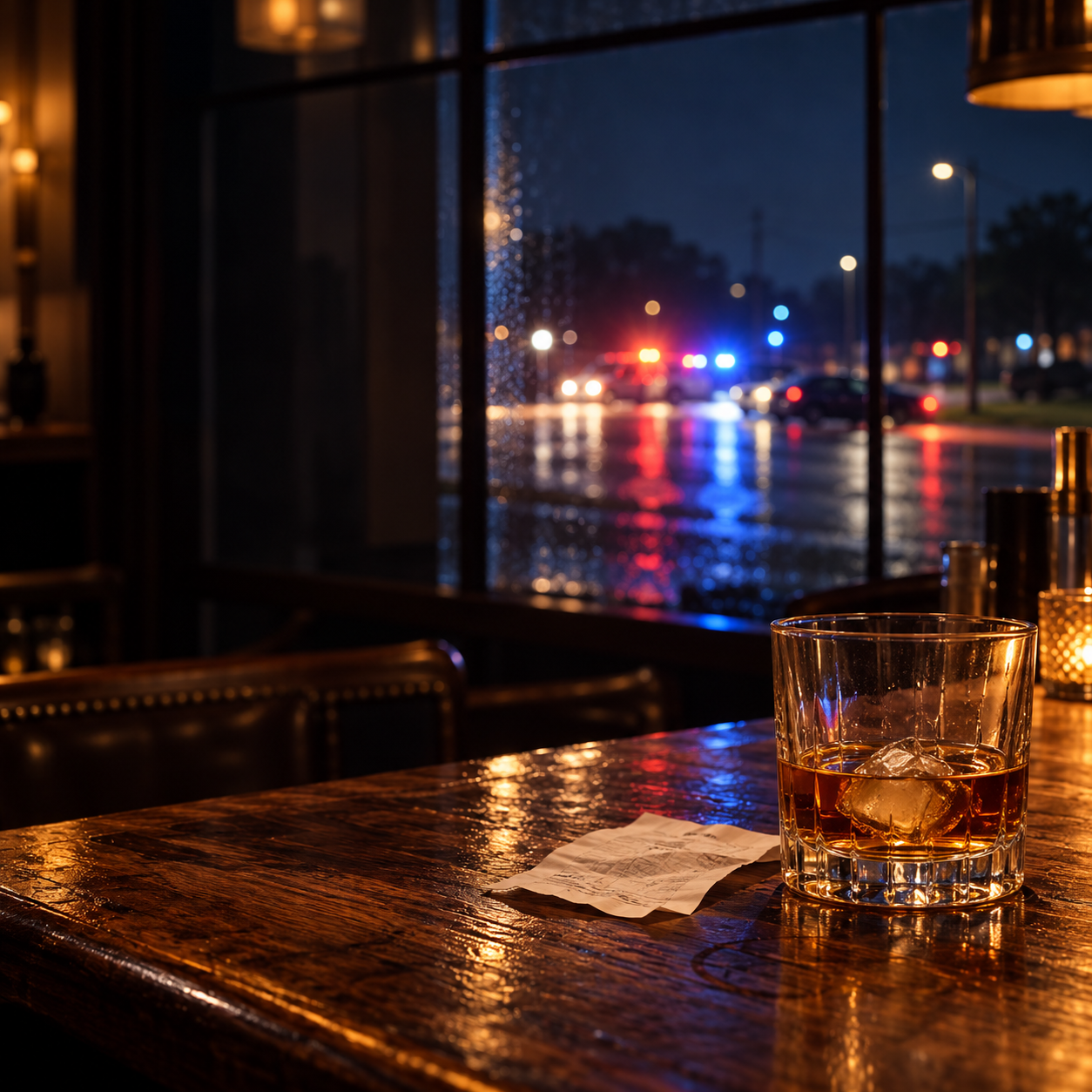
Under the Texas Dram Shop Act, a bar, restaurant, or other business that sells alcohol can be held responsible for a drunk driving crash when it served a customer who was obviously intoxicated and that intoxication caused the injuries. The resulting injury claims are called dram shop claims, which work differently from typical car accident cases.
How the Texas Dram Shop Act Works
The Dram Shop Act, found in Texas Alcoholic Beverage Code § 2.02, lets people injured by an intoxicated customer pursue a claim against the business that served that customer.
The statute requires proof:
- At the time of service, it was apparent to the provider that the customer was obviously intoxicated to the extent of presenting a clear danger to himself and others; and,
- The customer’s intoxication was a proximate cause of the damages.
The Act reaches beyond traditional bars, too. A “provider” includes licensees and anyone else who sells alcohol to an individual, which can include restaurants, clubs, and event venues that serve alcohol, such as stadiums and arenas. The Act is also the exclusive remedy against providers for the actions of intoxicated customers, so these claims move through it rather than through a general negligence claim. However, private hosts follow different rules based on social host liability.
What “Obviously Intoxicated” Means in Practice
The central question in most dram shop cases is what the server could see at the moment a drink was served. A customer who was intoxicated is not enough on its own. The customer must have appeared obviously intoxicated to the point of being a clear risk to themselves and others.
Courts look for observable behavior, such as:
- Slurred or confused speech
- Stumbling, swaying, or falling
- Aggressive or erratic behavior
- Trouble ordering, paying, or communicating clearly
- Ordering several rounds or shots in a short time
The Texas Supreme Court emphasized this focus in Raoger Corp. v. Myers, decided in April 2025. The Court held that BAC results and expert testimony were not enough to show that the restaurant could see its customer was obviously intoxicated when served. In that case, the driver’s blood alcohol was measured hours after the crash, but the record held substantial testimony that he appeared normal while at the restaurant. The lesson is that proof from the time of service carries the most weight.
Evidence That Can Support a Dram Shop Claim
Strong claims usually rest on several kinds of evidence that show how the customer looked and behaved while being served.
Helpful sources or types of evidence include:
- Tabs, receipts, and card records with time stamps showing how many drinks were served and when
- Surveillance video from inside the establishment and the parking lot
- Testimony from servers, bartenders, other patrons, and people who were with the customer
- Photos, videos, and text messages from that evening
- Police reports and statements the driver made at the scene
- Server training records and the business’s own over-service policies
How Bars and Restaurants Defend Against Dram Shop Claims
Establishments defend these claims by challenging what was apparent at the time of service and, in some cases, by relying on a safe harbor provision.
Common arguments include:
- Customer showed no obvious signs of intoxication when served.
- Customer drank somewhere else, before arriving or after leaving.
- Customer’s intoxication was not a proximate cause of the crash.
- Safe harbor applies, which requires that the employer required TABC-approved training, the employee attended it, and the employer did not encourage the employee to violate the law.
Who Can Bring a Claim and What You Can Recover
People injured by the intoxicated driver can pursue a dram shop claim, including other drivers, passengers, and pedestrians, and families can pursue one after the loss of a loved one. A dram shop claim can add a source of recovery beyond the driver’s own insurance, which matters when that coverage is limited. Many businesses that sell alcohol carry liquor liability insurance. Compensation can include medical expenses, lost wages, pain and suffering, property damage, and, in fatal cases, wrongful death damages.
Deadlines apply to these cases as they would to most other injury claims. Texas has a two-year statute of limitations for personal injury claims, and evidence tends to disappear well before that deadline arrives, so anyone thinking of starting a dram shop claim should talk to a lawyer right away.
Have Questions? Ask Us.
If you were hurt by a drunk driver who had been drinking at a bar or restaurant beforehand, Hilliard Law can look at whether the establishment may share responsibility. Our legal team can investigate what happened inside the business as well as on the road, and we have spent more than 40 years taking on companies and insurers that would rather avoid accountability. Trust a case as important as yours to us.
Call us at (866) 927-3420 or contact us online for a free consultation.